
What Precautions Should You Take After Getting Veneers?
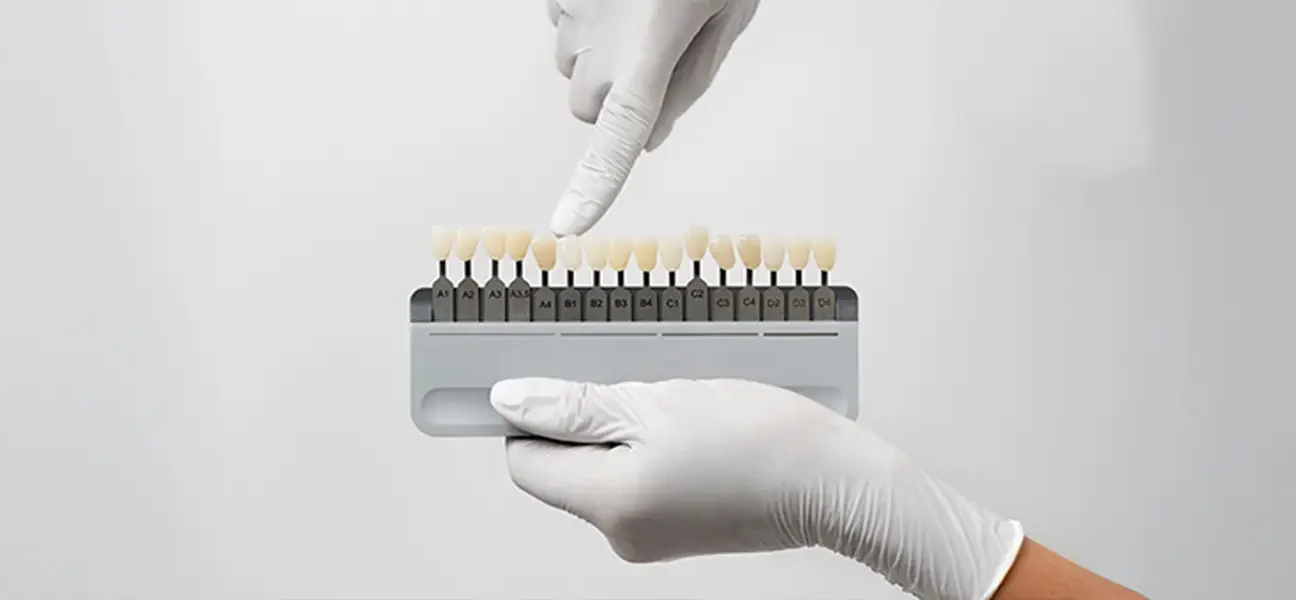
Veneers are thin layers placed on the front surface of teeth to adjust shape, shade, and overall look. Once placed, they function as part of your bite and are exposed to daily chewing forces. Their long-term stability depends on how well they are cared for and how they interact with the underlying tooth structure.
Many patients who receive veneers in Houston often want to understand how daily habits may affect the outcome. Making simple changes to routine care and food choices can help protect the appearance and function of veneers over time.
What to Expect Right After Getting Veneers
After placement, you may notice a slight difference in how your teeth come together. This is usually due to minor changes in the tooth’s surface after preparation.
Some sensitivity to hot or cold may also occur. This can happen when a thin layer of enamel is adjusted before bonding. In most cases, this sensitivity improves as the tooth adapts.
If your bite feels uneven or if pressure is concentrated in one area while chewing, it is important to have it checked. Minor adjustments early can help prevent unnecessary stress on the veneers.
Maintain Proper Oral Hygiene Every Day
Even though veneers cover the front surface, the natural tooth underneath and around the edges still needs care. Plaque can build up along the edges where the veneer meets the tooth, potentially affecting gum health.
A consistent routine should include:
- Brushing with a soft-bristle toothbrush
- Using non-abrasive toothpaste
- Flossing daily to clean between teeth
During routine visits, a dentist near you can also review your technique and recommend ways to clean around veneers without affecting their surface.
Avoid Hard and Sticky Foods That Can Damage Veneers
Veneers are designed to handle normal chewing forces, but excessive pressure can increase the risk of damage. Biting into hard foods such as ice or hard candy places force on a small area, which may lead to chipping.
Sticky foods can pull against the bonded surface, especially when chewed with the front teeth. Choosing softer foods or using back teeth for firmer items helps reduce stress on veneers.
Limit Staining Foods and Beverages
While veneer materials resist staining, natural teeth around them can still change color over time. This difference may become noticeable if foods and drinks that are stained are consumed frequently.
Items such as coffee, tea, and dark-colored beverages can gradually affect the surrounding teeth. Rinsing after consumption and maintaining good oral hygiene can help keep your smile’s overall shade more consistent.
Avoid Biting Nails or Using Teeth as Tools
Teeth function to chew food and are not intended for gripping or opening objects. Using them for tasks such as biting nails or opening packaging places repeated stress on a small area.
Over time, this type of pressure can weaken the bond or lead to small fractures. Avoiding these habits helps protect both the veneers and the natural tooth structure.
Manage Sensitivity and Gum Adjustment
After veneers are placed, the gums may need time to adjust to the new shape. Mild irritation or sensitivity during this period is common.
If sensitivity continues or feels unusual, a dentist in Houston can evaluate whether the bite or edges need adjustment. In some cases, desensitizing products may be recommended to improve comfort.
Protect Veneers from Teeth Grinding
Grinding places repeated force on tooth surfaces, which can affect veneers over time. This often occurs during sleep and may not be noticeable during the day.
If grinding is present, a nightguard can help absorb pressure and reduce wear on both veneers and natural teeth. This is an important step in maintaining long-term stability.
Schedule Regular Dental Checkups and Cleanings
Routine dental visits help identify early changes before they become more noticeable. During these appointments, the dentist checks:
- How the veneers sit against the teeth
- Whether the bite remains balanced
- Gum health around the edges
A Houston dentist can address small concerns early and help maintain the condition of your veneers over time.
What Helps Veneers Stay Strong and Natural-Looking
Veneers can refine the appearance of your smile while maintaining their role in your normal bite function. Their durability depends on daily care, eating habits, and regular monitoring.
At North Star Dental Center, recommendations are based on how your teeth respond after placement. If you notice discomfort, bite changes, or ongoing sensitivity, a clinical evaluation can help determine the cause and guide the next steps.